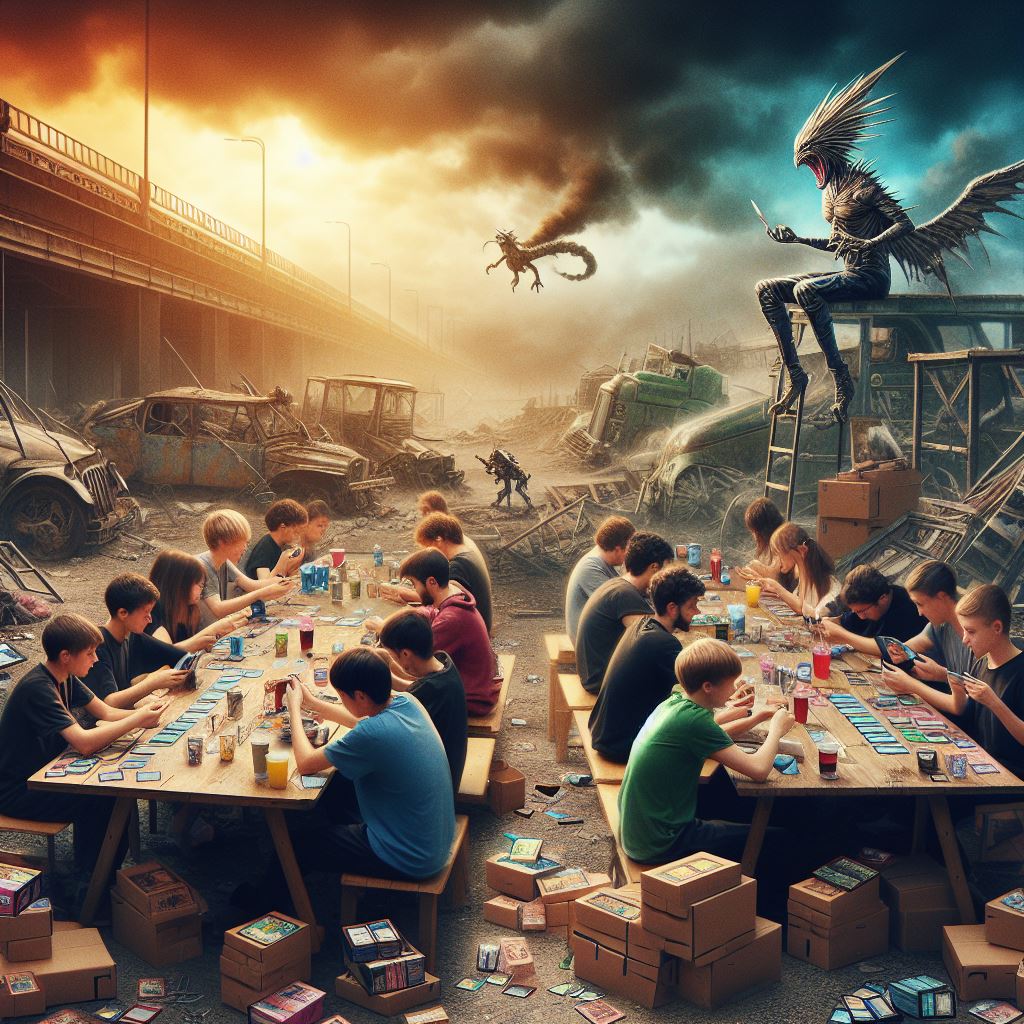

I’m going to kick things off by talking about trading card games, often abbreviated as TCGs. These are games that use specially designed sets of playing cards, each with unique artwork and strategic elements shaking up conventional gameplay. The history of TCGs is fascinating, typically traced back to the early 1990s when Magic: The Gathering hit the scene and changed the game � quite literally.
You’re going to find out about the powerful cultural impact these games have had. From the way they’ve brought people together to create communities, to the global tournaments that attract competitors from around the world, TCGs are far more than just a pastime � they’re a cultural phenomenon.
Engaging in trading card games isn’t just a fun experience; it’s also a brain booster. Strategy, negotiation, and a bit of luck are at play here, improving cognitive skills like analysis, planning, and decision-making. Plus, there’s a certain joy in collecting that resonates with many. Who doesn’t like the feeling of snagging a rare card or completing a set?
Decoding the Basics: How Trading Card Games Work
If you’re going to understand trading card games (TCGs), it’s crucial to start with the foundation. At their core, TCGs consist of cards, rules, and gameplay. Now, these aren’t your typical playing cards. Each card in a TCG has unique attributes and artwork, adding layers of depth and strategy to the game.
Cards are the essence of any TCG. There are character cards, which represent the players’ avatars in the game; spell cards, which can change the game state; and item or equipment cards, which enhance characters’ abilities or stats. In my opinion, knowing your cards inside out is what sets a great player apart from a good one.
But it’s not all about what cards you have; it’s also about how you use them. This brings us to the concept of strategy in trading card games. While luck of the draw plays a part, strategically building your deck and choosing when to play each card are vital skills. Don’t worry too much about mastering these strategies right away – you can always adjust your approach down the road.
With the basics covered, you’re going to find out how these principles apply to one of the most popular TCGs out there. Next, we’ll delve into Yugioh – a game where ancient pharaohs and futuristic duels collide. Choose something that resonates with you; if the theme of mystical creatures and magical spells clicks, you’re going to enjoy this segment. But it’s not just about the allure of the game’s theme; I’ll walk you through the practicalities of playing Yugioh, starting with understanding the gameplay.
Yugioh 101: Understanding the Gameplay
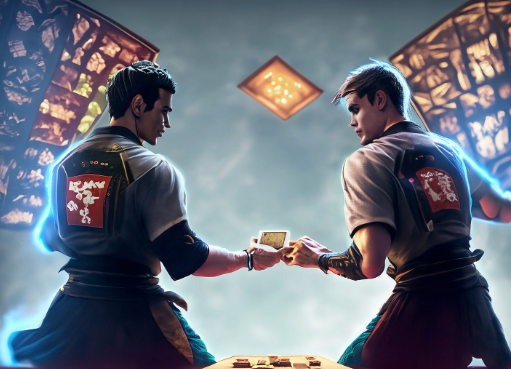
In my opinion, the allure of Yugioh lies not just in its captivating artwork and lore, but also in the intricate strategy it demands. Yugioh, for those who may not be familiar, is a trading card game based on a Japanese manga series that rose to global prominence alongside its animated TV show. It’s full of depth with a variety of monsters, spells, and traps waiting for players to expertly weave together in the heat of a duel.
Let’s break down how to play Yugioh step-by-step. It all starts with the game mat. Each player begins with 8000 Life Points, and the aim is to use your cards to reduce your opponent’s Life Points to zero. With each turn, you can summon monsters, set traps, or cast spells. The interplay of card effects can turn the tide of the game, often with thrilling and unexpected outcomes.
Monsters have their own set of attributes, including types, levels, ATK, and DEF points. Spells can bolster your position or disrupt your adversary, while traps are set to spring surprises. But be aware, that the complexity of Yugioh isn’t something you’ll master overnight. It’s a journey that starts with mastering the basic rules and card interactions.
Choosing your deck should speak to you. Starting with a premade deck is fine, but as you learn the cards and begin to discover your style, you can always adjust your approach down the road. Each deck has a unique mechanic and theme to explore, so pick something that resonates with you, whether it’s the brute strength of the Blue-Eyes White Dragon or the tricky illusions of a Dark Magician deck.
I hope that you participate in local gaming communities or online platforms to get a broader feel for the game. Trading tips, sharing strategies, and observing others play are instrumental in developing your skills. Plus, there’s a lot of opportunity in friendly matches to try out new tactics without the pressure of more formal competitions.
Now, as you familiarize yourself with Yugioh’s gameplay, you’ll be better equipped to understand another titan of the trading card game world: Magic the Gathering. Just don’t focus too much on perfection with your first few games of Yugioh. Your first attempt doesn’t need to be your last, and the learning experience is part of the excitement.
Shuffling into Magic: Learning to Play Magic the Gathering
So you’re interested in Magic the Gathering (MTG)? It’s one of the most iconic and enduring trading card games out there, created by mathematics professor Richard Garfield and first published in 1993 by Wizards of the Coast. Since then, it has spawned a massive following of players around the globe, and for good reason. This game is complex, strategically rich, and incredibly rewarding for those who dive into its depths.
In my opinion, there’s something truly special about the way MTG harnesses the magic of fantasy through its gameplay and lore. If you want to get started, here’s what you need to know: Magic the Gathering combines the intricacies of a strategy game with the collectible aspect of trading cards. You’ll take on the role of a Planeswalker, a powerful wizard who summons creatures, and cast spells, and duels against opponents in a battle of wits.
To get you up to speed, I’m going to outline the basic rules and steps for playing Magic the Gathering. First, choose a deck. MTG decks are typically comprised of a minimum of 60 cards, with a combination of lands (which generate mana, the game’s primary resource) and other spells such as creatures, enchantments, sorceries, instants, and artifacts. Your deck is your arsenal, and how you choose to build it will reflect your strategy and style.
During the game, your mana pool is your lifeline. You use mana to cast spells, summon creatures, and more. The objective? Reduce your opponent’s life total from 20 to 0 before they do the same to you. Of course, there’s a universe of complexity within these basic rules including different formats, card interactions, and playstyles that you’ll learn over time.
Building your first Magic deck might seem daunting, but don’t worry too much about perfection on your first go. Choose something that resonates with you—an archetype or a type of card you’re drawn to. There are countless resources online to help you out, from deck-building guides to card databases. Most local game stores also hold demo days where beginners can learn and play casually.
Local Play to Global Competitions: The TCG Community
I’m going to walk you through the vibrant world of the trading card game community. It’s a universe that extends from your local game shop to grand, international arenas.
If you want to dive into the social heart of TCGs, your local gaming stores are a good start. They usually host regular game nights and tournaments that you can participate in. It’s not just a chance to play; it’s where you can meet others who share your passion and maybe pick up a few new tricks.
You’re going to find out about the broader network too. National and international tournaments are where things get exciting. They can offer larger prizes, introduce more complex competition formats, and let you measure your skills against the best from around the world.
You can always adjust your approach down the road, but recognizing the importance of both the local and the global community within TCGs is crucial. Moreover, there’s a lot of opportunity in online communities. Platforms like Discord, Reddit, and dedicated forums are brilliant for discussing strategies, trading tips, and keeping up with the latest TCG news.
Choose something that resonates with you, whether it’s a casual meetup or a competitive league. Every level of play provides its rewards and experiences.
In my opinion, the connectivity of the TCG community is unlike any other. The friendships and networks you build can last a lifetime. Don’t worry too much about being the best from the start; focus on learning and becoming a part of the community spirit.
Keeping the Game Alive: Collecting, Trading, and Preserving Cards
Now that you’ve dipped your toes in the vast ocean of trading card games, it’s crucial to look at the longevity aspects. Keeping your game alive doesn’t stop at mastering the rules or winning matches; it extends to the art of collecting, trading, and preserving your cards.
Firstly, consider TCGs from an economic standpoint. Cards are more than just playthings; they’re assets that can grow in value. If you want to engage in the collecting aspect, choose cards that resonate with you, either for their potential monetary value or personal significance. Always stay informed about market trends and notable editions.
Trading is the heartbeat of the TCG community. It’s a practice that fosters connections and helps players acquire the cards they need. When trading, it’s key to be ethical and honest. Establish trust by being transparent about card conditions and fair in your trading dealings. Building a reputation for integrity can lead to better trades and a robust network.
Lastly, let’s talk about preservation. The physical condition of your cards matters significantly, especially if you’re considering their long-term value. Invest in quality card sleeves, binders, or cases to protect them from wear and tear. Keep them away from extreme temperatures and direct sunlight. Proper care will ensure your cards stand the test of time, maintaining both playability and value.
Trading card games offer much more than the thrill of competition; they’re a hobby that challenges the mind and fosters a sense of community. Whether as a strategy mastermind, a savvy collector, or a custodian of the game’s history, there’s a role for everyone. So gather your decks, trade wisely, and safeguard your treasures as you continue this enthralling journey in the world of trading card games.